Cleaning Business SOPs: How to Build Checklists That Let Your Team Run Without You
Stop being the bottleneck in your cleaning company. Learn how to write simple SOPs and checklists for residential and commercial jobs so quality stays high when you are not on site.
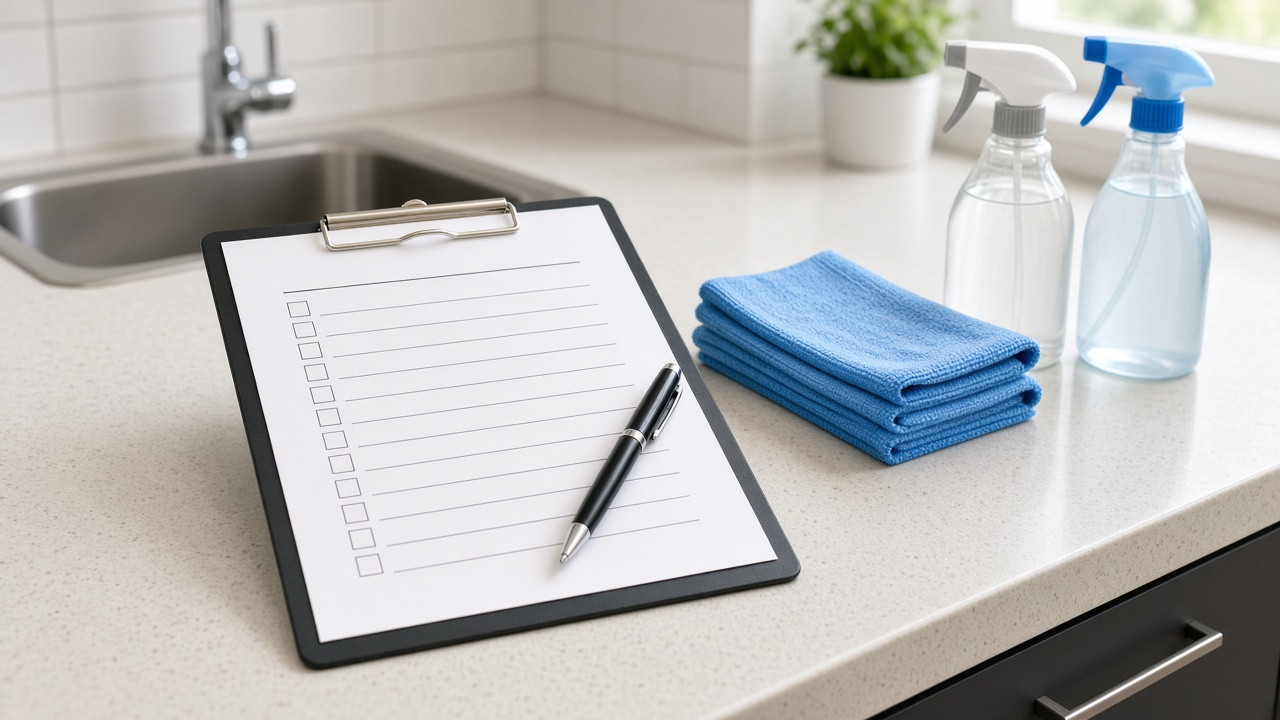
If every question routes to you, you do not own a cleaning business — you own a very stressful job. Standard operating procedures (SOPs) and checklists are how owners step out of the day-to-day without watching quality collapse.
This is a practical build-out you can start this week.
Why SOPs beat “just hire good people”
Good people still need a shared definition of done. Without it:
- Every tech cleans differently
- Clients notice inconsistency
- Training takes forever
- You get pulled back into every odd situation
SOPs do not replace judgment. They remove the 80% of decisions that should never need a phone call.
1. Start with your three most common job types
Do not write a 40-page manual first. Document:
1. Standard residential clean
2. Deep clean / move-out
3. Your most common commercial or recurring account type
For each, list the rooms/zones, the order of work, time targets, and non-negotiables (what must be perfect every time).
2. Turn the SOP into a field checklist techs will actually use
Long paragraphs die in the van. Checklists win.
- One page per job type when possible
- Checkbox format in the order techs work
- Photo prompts for high-risk items (oven, showers, glass)
- A “client notes” line for preferences
If it is not usable on a phone, it will not get used.
3. Write the exceptions, not just the happy path
Most owner texts are about edge cases. Pre-answer them:
- What to do if a pet is loose
- Broken item discovered on arrival
- Client asks for unpaid extras
- Supply shortage mid-job
- Alarm / access problems
Give the rule and the escalation path: “Handle X yourself; call lead for Y; call owner for Z.”
4. Train with ride-alongs, then shadow audits
Rolling out SOPs without training is just emailing a PDF into the void.
- Ride-along: new tech follows a trained lead using the checklist
- Reverse shadow: lead watches the new tech run the checklist
- Random audits: 1–2 jobs per week with photo review against the standard
Score audits simply (pass / needs coaching) so feedback is fast.
5. Connect SOPs to pricing and upsells
Your checklist is also a sales tool.
- “Standard” vs “Deep” packages map to different checklists
- Add-on services (inside fridge, interior windows) appear as optional lines
- Techs can offer add-ons without inventing prices if the menu is on the checklist or app
6. Keep SOPs alive with a 15-minute monthly review
Dead SOPs are worse than none — teams ignore them.
Once a month, ask:
- What questions still hit the group chat?
- Which checklist items are always skipped?
- What new client complaints appeared?
Update the one-pagers. Version-date them. Retire old copies.
Action checklist
- Pick your top 3 job types and outline zone order + non-negotiables
- Convert each into a one-page phone-friendly checklist
- Add an exceptions / escalation section
- Train with ride-along + reverse shadow
- Audit 1–2 jobs weekly against the checklist
- Review and revise monthly for 15 minutes
When your team can run the standard without you, you finally have leverage: more accounts, better hiring, and a business that is not glued to your phone.
Find your next cleaning job on SqueakyLeads
Browse open jobs, get notified by county, and grow your cleaning business.